
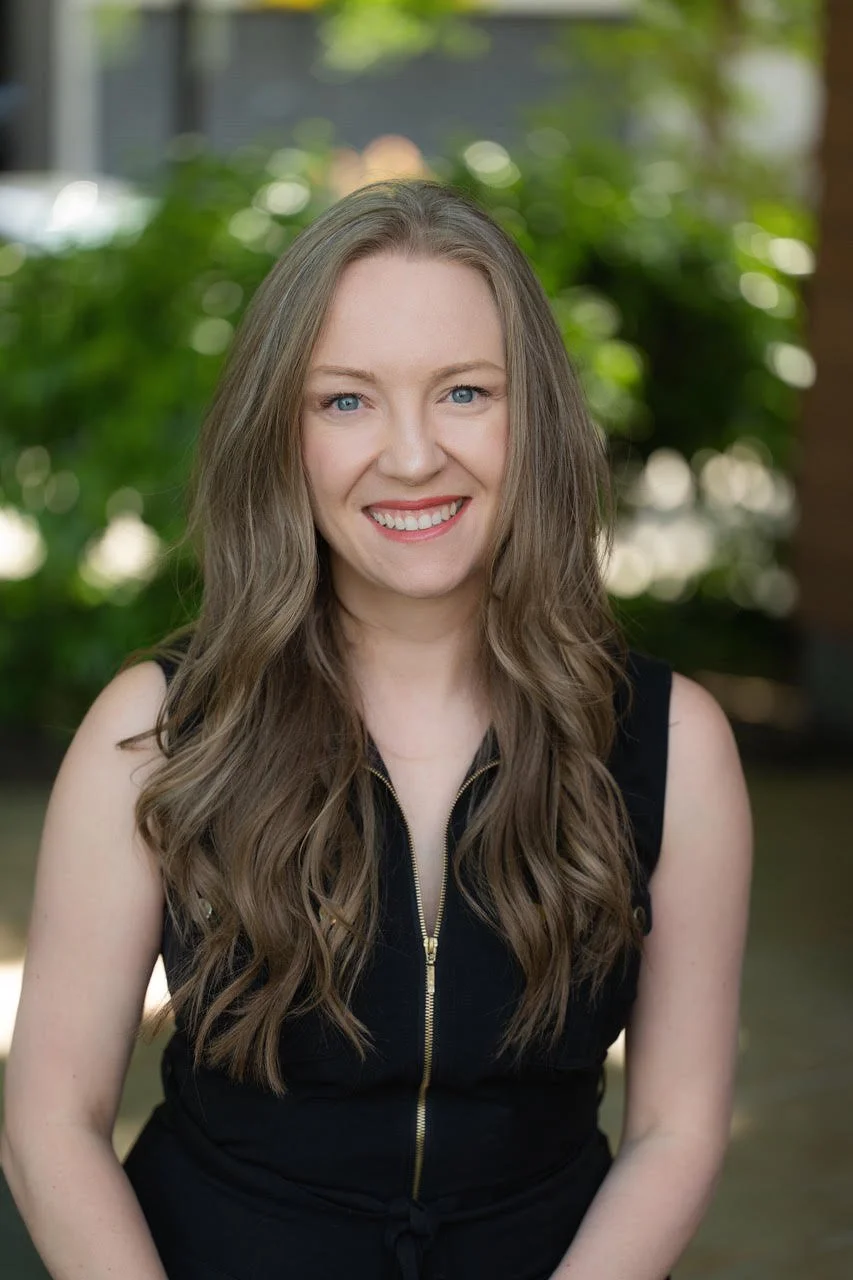
Dr. Veronika Mesheriakova
Ep. 85 High Potency Cannabis, Fentanyl, and Teens: What Parents Need to Know — A Conversation with Dr. Veronika Mesheriakova
Dr. Veronika Mesheriakova is an adolescent medicine physician, addiction specialist, and founder of the Northern California Adolescent Specialty Center. She previously served as an Associate Professor in the Division of Adolescent & Young Adult Medicine at University of California, San Francisco, where she founded the UCSF Youth Outpatient Substance Use Program and conducted research focused on adolescent substance use and addiction. Dr. Mesheriakova completed her pediatrics residency at Yale New Haven Children’s Hospital, followed by a fellowship in Adolescent Medicine at UCSF. She will also be a featured speaker at the Human Potential Conference.
In this timely episode of Shrinks Rap, Dr. James Bramson speaks with Dr. Veronika Mesheriakova about the growing mental health and addiction crisis facing today’s teens. Together, they explore the rise of high-potency cannabis, fentanyl exposure, vaping, and polysubstance use among adolescents—many of whom appear outwardly “fine” while quietly struggling emotionally.
Dr. Mesheriakova explains how today’s cannabis differs dramatically from earlier generations, with higher THC concentrations linked to anxiety, depression, psychosis risk, emotional dysregulation, and addiction in developing brains. The conversation also examines the growing danger of fentanyl contamination in counterfeit pills and recreational drugs, making experimentation increasingly life-threatening.
The episode highlights practical ways parents can approach teens without escalating shame, secrecy, or power struggles around substances and screen time. Dr. Mesheriakova emphasizes the importance of family involvement, the role medications can play in treatment, and how recovery ultimately depends on helping adolescents reconnect with hope, purpose, belonging, and a future worth showing up for. The conversation balances science, compassion, and humor—because parenting teenagers sometimes requires both evidence-based care and an excellent breathing practice.